How to Toggle Between Normal Day and High-Stress Day
Smoking Reduction Rules
Most smoking reduction plans fail at the exact moment they are supposed to hold: when stress spikes, your brain stalls, and even simple interval math becomes unusable. The 2-Mode Reduction System solves that failure by splitting your tracking into two operating conditions instead of forcing one fragile standard. On a normal day, you run your usual interval logic. On a high-stress day, the job changes: you abandon the math and pull a predefined circuit breaker to keep the system alive through mechanical compliance.
The 2-Mode Smoking Reduction System for High-Stress Days switches from interval math to a mechanical fallback protocol the moment you cannot calculate the time since your last cigarette within 3 seconds. In High-Stress Mode, you stop timestamp tracking, enforce a strict 5-minute digital timer before lighting up, and log each unit with a raw physical tally. You must execute a hard reset and return to Normal Day rules within 24 hours or the moment the math test becomes usable again.
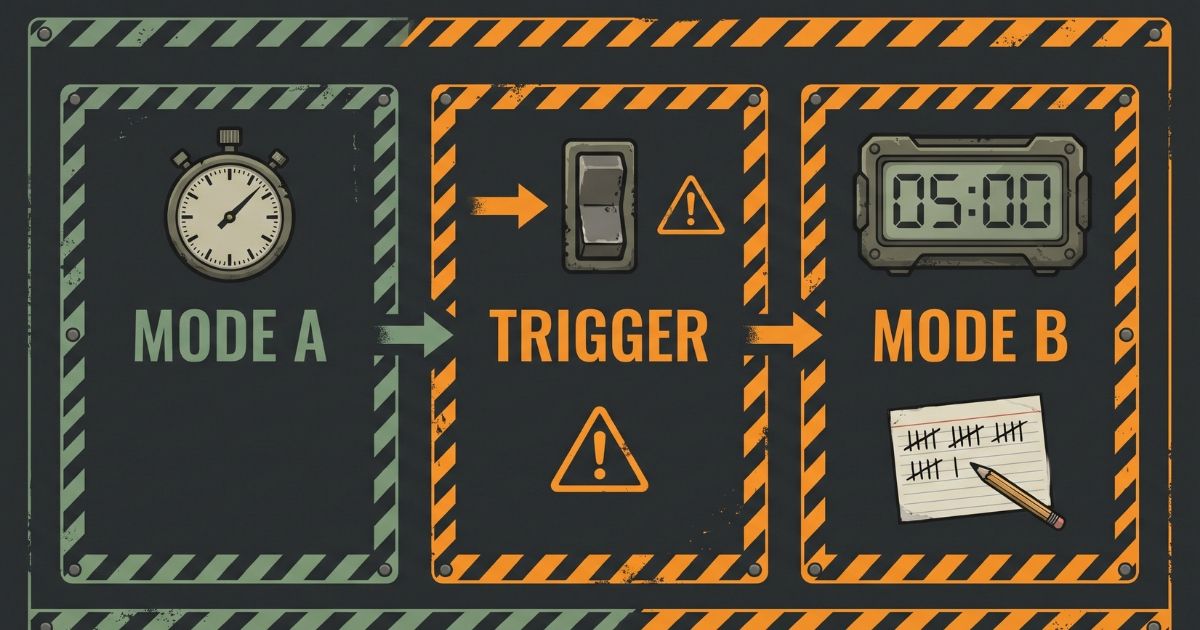
Set the exact trigger that flips the day
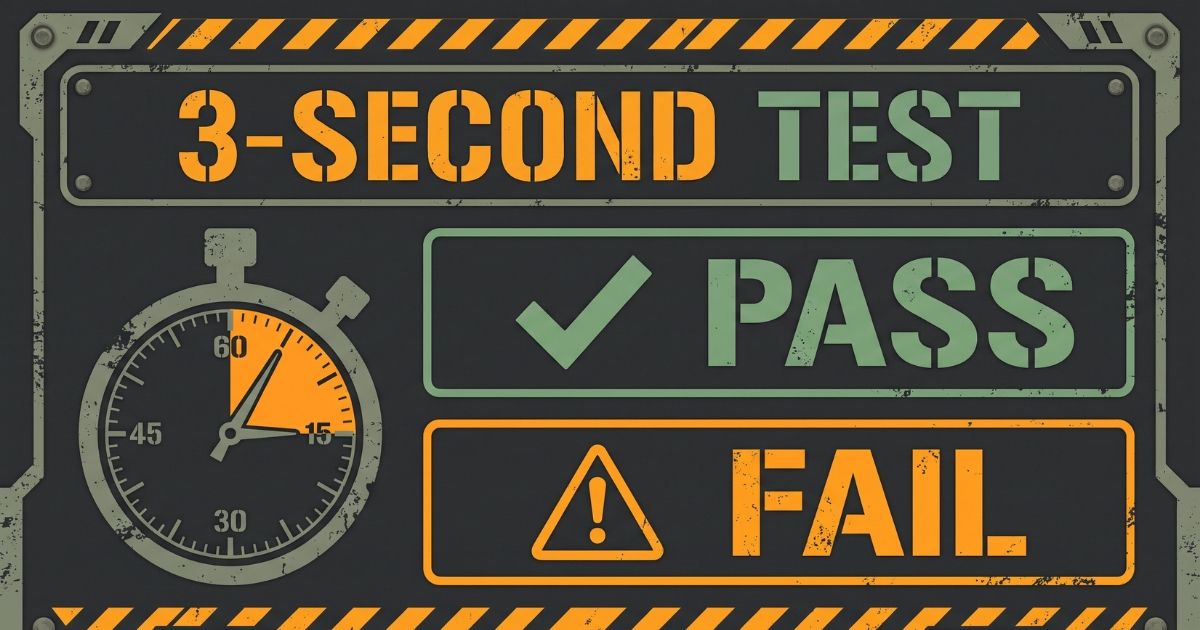
To execute a toggle smoothly, you must define "stress" objectively. It is not an emotional feeling; it is a mathematical breakdown. The trigger to switch modes needs to be a strict pass-or-fail test
Toggle Threshold (Binary Test): Attempt to mentally calculate the exact minutes between your Last Time Lit and right now.
- PASS (Normal Day Mode): You can do the math in your head in under 3 seconds.
- FAIL (High-Stress Mode): Your brain stalls. You cannot compute the interval.
OPERATOR LOG (Case File): THE THRESHOLD
- Context: Senior director heading a stressful multi-district field audit.
- Compounding events: Three critical incidents required simultaneous triage, flooding the operator's radio and inbox within a 10-minute window.
- Test attempt: The operator pulled their tracking card to calculate the time elapsed since their last cigarette.
- Failure signal: Total mental blank. The math could not be processed.
- Decision: The operator abandoned interval math and immediately pulled the High-Stress circuit breaker.
- Why this matters: Forcing complex tracking during an overload guarantees system collapse. The change ensures immediate, low-friction compliance.
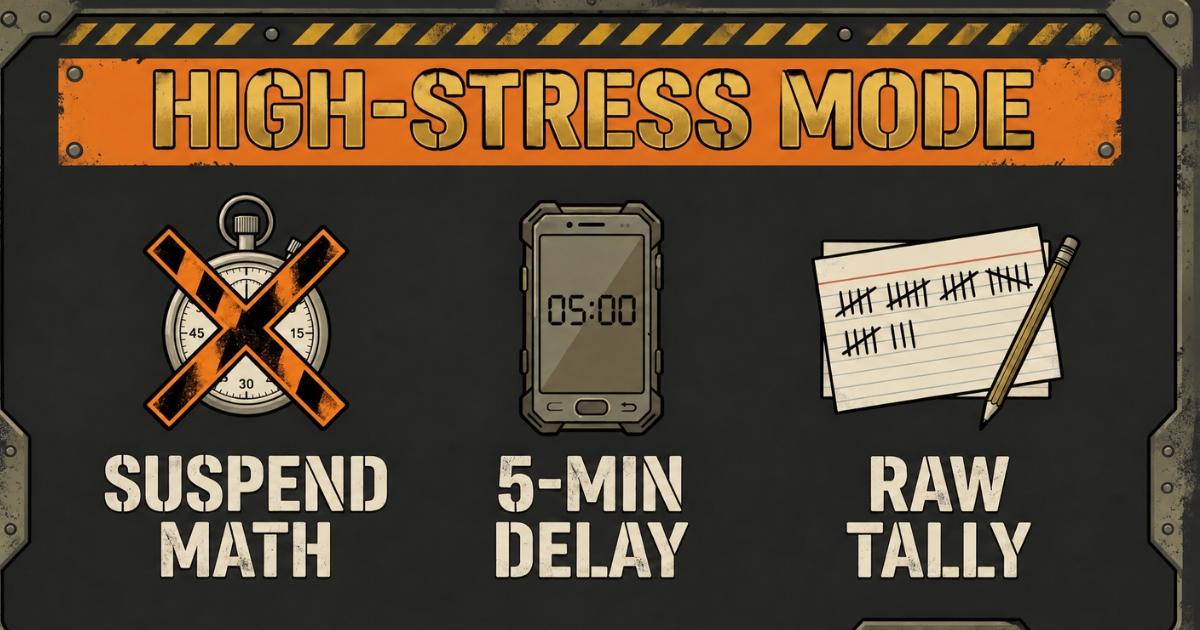
Run High-Stress Mode with prewritten fallback rules
When you flip the switch, you do not improvise. You execute a prewritten fallback sequence designed for minimum viable compliance.
The High-Stress Fallback Protocol:
1. Suspend the Math: Cease calculating interval deltas. Do not record timestamps for "Time Lit."
2. Enforce the 5-Minute Mechanical Delay: The moment you extract a cigarette from the pack, you must start a 5-minute digital timer on your phone. You cannot light the flame until the alarm triggers.
3. Execute a Raw Tally: Immediately after extinguishing the cigarette, make a single raw tally mark on your tracking card. No time entry is required. No interval calculation is required. You make one physical mark to register the unit.
OPERATOR LOG (Case File): THE 5-MINUTE DELAY
- Suspend the Math: Upon failing the 3-second threshold during the audit, the operator immediately stopped logging timestamps.
- Enforce Mechanical Delay: When the operator extracted a cigarette from the pack, they opened their smartphone and initiated a strict 5-minute countdown. The lighter remained untouched until the alarm sounded.
- Execute a Raw Tally: Once the cigarette was extinguished, the operator bypassed standard interval math and marked a single tally with a golf pencil on their index card.
Switch back before the fallback becomes the new default
Switching into a protective mode is only half the system. Switching back is what prevents temporary flexibility from becoming permanent drift.
The 24-Hour Reset Rule: High-Stress Mode has a hard expiration boundary to ensure the fallback does not quietly become your new daily baseline. You must execute the reset sequence exactly 24 hours after initiating the toggle, or the moment you can successfully pass the 3-second interval math test again, whichever comes first.
OPERATOR LOG (Case File): SYSTEM RESET PROTOCOL
- Trigger: The morning after the audit crisis began, the hard 24-hour limit hit.
- Draw the Boundary: The operator immediately took their index card, drew a thick horizontal line beneath the raw tallies, and wrote: "RESET."
- Terminate the Delay: They deactivated the 5-Minute Mechanical Delay rule.
- Reconcile the Data: They tallied their raw physical marks and added the total High-Stress volume to their master tracking ledger to maintain an accurate daily count.
- Anchor the Math: At the next urge, they smoked and logged the exact time (08:15).
- Resume Standard Logic: The operator used the 08:15 timestamp to compute their next required interval, fully re-engaging Normal Day tracking math.
NEXT ACTION: Build the contingency matrix in the [High Stress Day Reduction Plan] hub so you can deploy pre-authorized fallback limits (hard unit caps) before the next multi-crisis event hits.
What happens next: You will map your three highest-probability stress triggers and assign a specific, pre-authorized cigarette limit to each one

About Saqib Ali Ateel:
Saqib Ali Ateel is a senior systems analyst and the Chief Architect of SmokeTally & Smoke Loop Intercept App. Drawing on his executive oversight of public infrastructures serving millions and his research as a PhD Scholar, he engineered the Smoke Loop Intercept Protocol to dismantle the smoking habit loop using objective telemetry rather than willpower or counseling theater. A former heavy smoker, Saqib utilized these precise mechanical baselines to intercept his own neurochemical hardware. When not working in official capacity or working on his PhD, he studies intersection of physics, biology, and human agency. Check Saqib’s details on LinkedIn.
- Home
- Stress Protocols
- Stress Day
- 2-Mode Smoking Reduction System for High-Stress Days